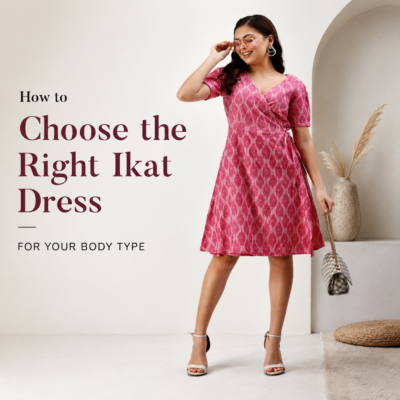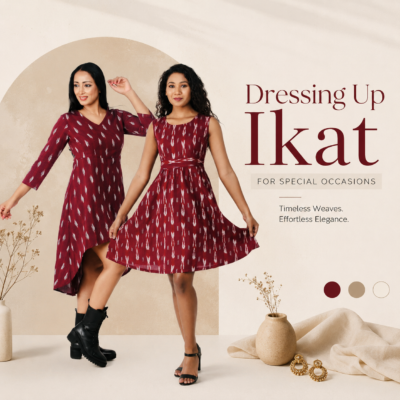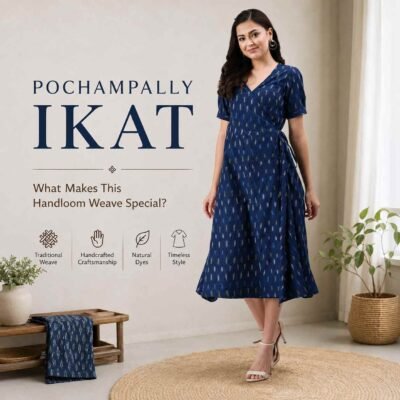
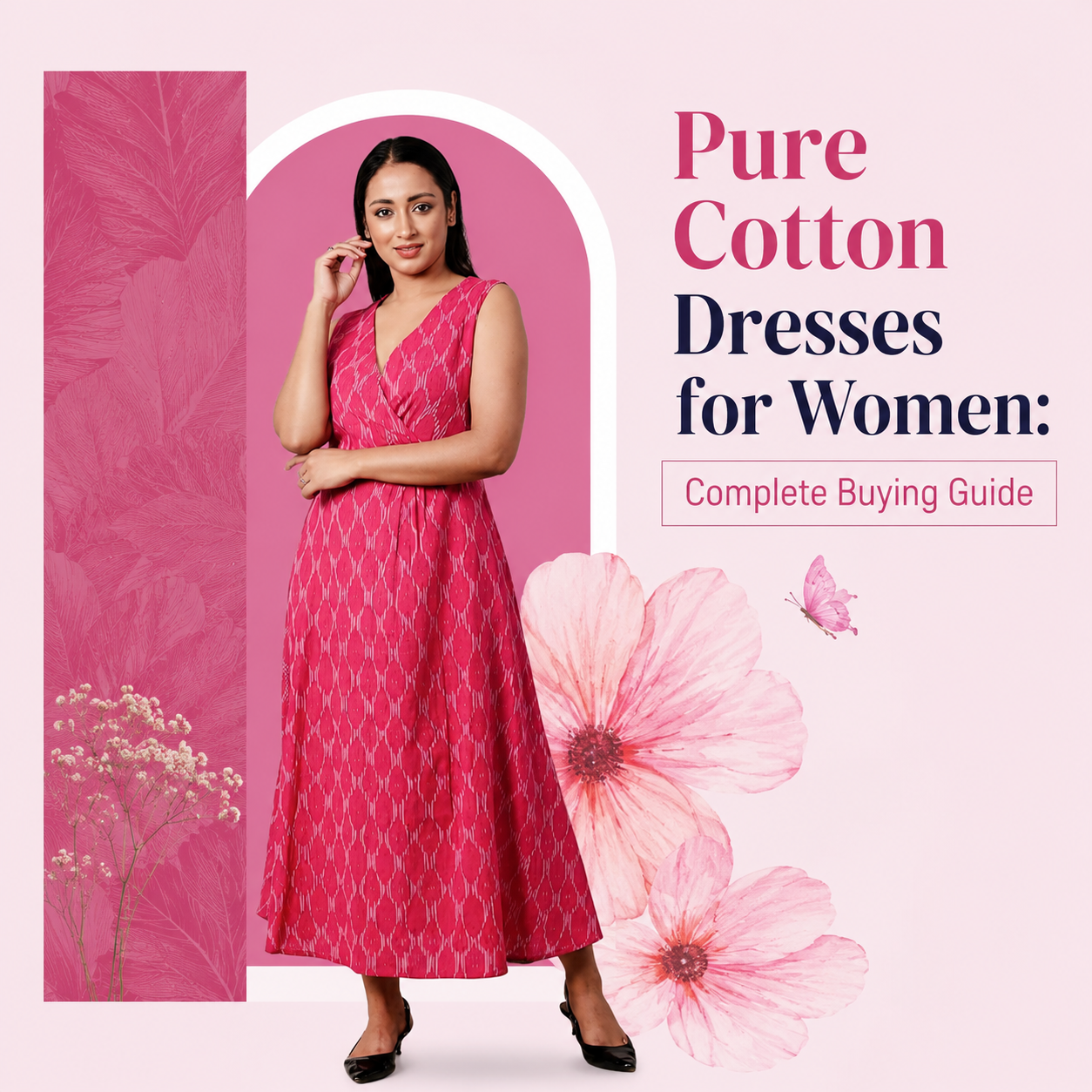
Every year around this time, wardrobes start feeling off. The heavy fabrics from monsoon days stick to you, cotton pieces from March are already looking tired, and half the closet just isn’t working anymore. This is usually the point where most women start looking for a proper cotton dress for women — something that actually survives humidity and heat together, instead of just looking good in a mirror at home.
But here’s the annoying part. Not all “cotton” dresses are actually cotton. A lot of tags say 100% cotton and still feel scratchy, or worse, sweaty within an hour. So before you add another dress to cart, it helps to know what you’re really paying for.
Cotton Isn’t One Thing
People treat cotton like it’s a single fabric, but it’s not. There’s thin, almost see-through cotton that’s perfect for peak summer. There’s thicker handloom cotton that holds its shape and works even into early monsoon. There’s also cheap, tightly machine-woven cotton that looks fine on a screen but feels stiff the moment it touches skin.
This matters because a cotton dress for summer and a cotton dress for, say, a slightly cooler evening out, aren’t really the same purchase. If you buy heavy cotton expecting summer comfort, you’ll regret it by May. And if you buy something too thin for daily office wear, it’ll wrinkle and lose shape within weeks.
The Pure Cotton vs Blend Problem
This is where most people get tricked, honestly. A dress can legally say “cotton” on the label even if it’s only 60-70% cotton, mixed with polyester or viscose to cut manufacturing cost. It’s cheaper to make, and most buyers never find out unless the fabric starts pilling or trapping heat instead of releasing it.
A genuine pure cotton dress for women has no blend hiding in the fine print. You can usually tell within the first wash — pure cotton gets softer over time, not rougher. It breathes properly. It doesn’t build up static or cling to your legs the way blended fabric does by evening. If a “cotton” dress feels shiny or plasticky straight out of the packaging, that’s your first red flag.
Where Handloom Fits Into All This
Now, here’s something most buying guides don’t really get into, but it changes everything about how a cotton dress feels.
A handloom cotton dress is woven by hand on a traditional loom, not pumped out by a machine in bulk. It takes longer to make — sometimes an entire day for just a few metres of fabric — and that slowness actually shows up in the final product. Handloom cotton has tiny, natural irregularities in the weave. It’s not a defect. It’s actually what makes the fabric softer, lighter on the body, and honestly, just nicer to wear than perfectly uniform machine-made cotton.
There’s also the part that doesn’t show up in the fabric itself but still matters — handloom weaving supports thousands of weaver families across India who’ve been doing this work for generations, often as their only source of income. Abravi’s ikat and handloom pieces come straight from these weaving clusters, so the fabric isn’t just softer, it’s also tied to an actual craft, not a factory line.
What to Actually Look For While Buying
Skip the fits-all-occasions trap. A relaxed wrap dress or an A-line cut in lightweight cotton works well for daily wear and doesn’t fight your body in the heat. If you want something for office or slightly formal settings, go for a mid-weight handloom cotton — it holds structure better without feeling heavy.
One thing worth checking before you buy: run your hand across the fabric photo or, if you’re in a store, the actual dress. Pure cotton has a slightly uneven, matte texture. If it looks glossy in the photo, that’s usually a giveaway of synthetic mixing.
Caring for a Cotton Dress (So It Actually Lasts)
Buying well is only half of it. Most cotton dresses die early deaths because of how they’re washed, not because the fabric was bad to begin with.
Cold water, always — hot water is what causes most of the shrinking and fading people complain about. Turn the dress inside out before washing, especially if it’s hand-block printed or naturally dyed, because that protects the colour. Skip the dryer completely; let it air dry in shade, not direct sun, since sunlight breaks down the fibres faster than you’d think. And you really don’t need to wash it after every single wear — airing it out is usually enough unless it’s visibly dirty.
These basic cotton dress care tips sound obvious, but they’re the actual difference between a dress that lasts one summer and one that lasts five.
Final Word
A cotton dress is one of those purchases that seems simple until you actually start comparing options. Pure cotton over blends. Handloom over mass-produced, if you can. And a little bit of care after you buy it. Get those three right, and you’ll stop replacing dresses every season.
If you want to see what genuine handloom cotton actually feels like, Abravi’s Pure Cotton collection is worth a look — woven by hand, straight from Indian weaving clusters.